
4D Sight
PerspectiveMay 17, 2026·By 4D Sight·5 min read

Attention Is Not the Product. The Moment Is by Erhan Ciris
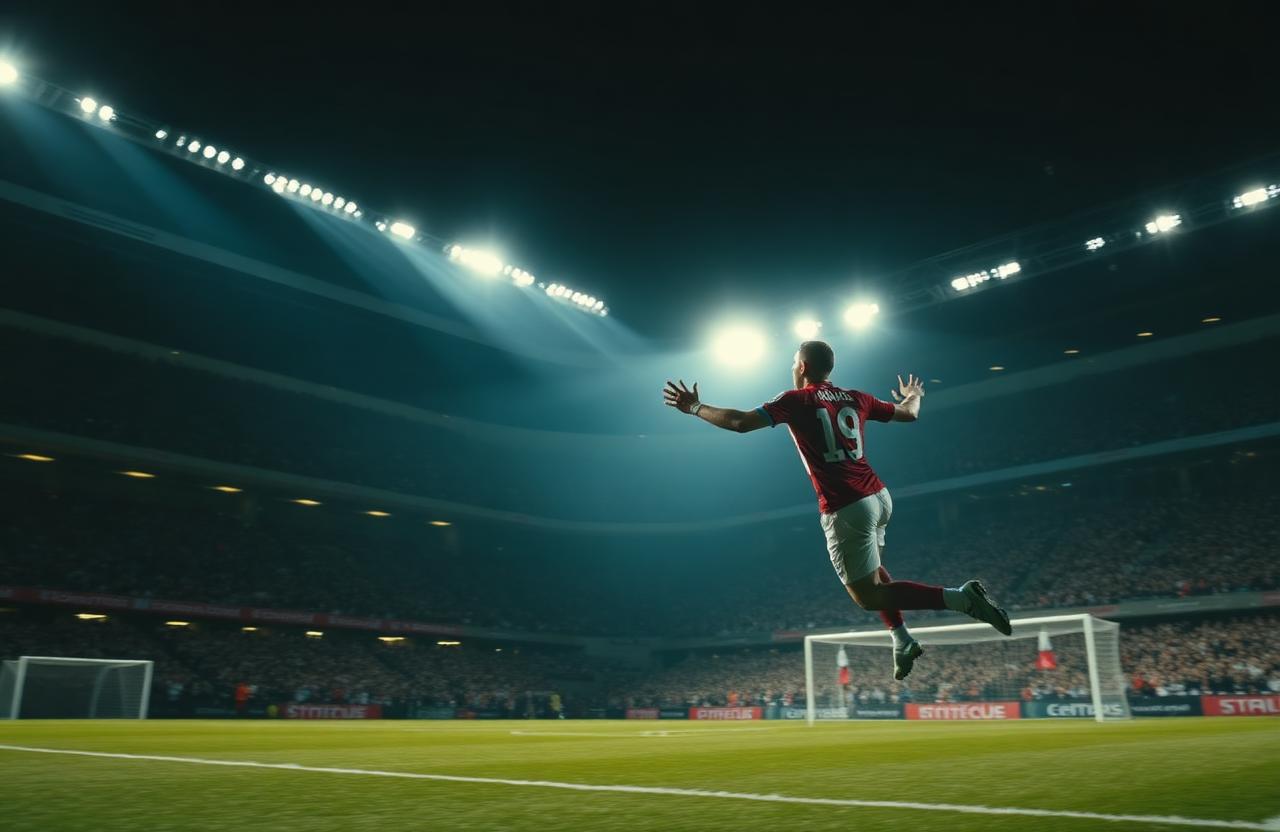
Footballer celebrating under floodlights

Why the Currency of Live Advertising Needs to Change

4D Sight Founder Erhan Ciris breaks down the shift toward native, personalized experiences.

There is a question no one in the advertising industry really wants to answer: what are you actually selling?

The standard answer is attention. Eyeballs. Impressions. The CPM — cost per thousand views — is the foundational unit of exchange, and it is built on a premise so simple it has gone largely unexamined: that exposure to a message has inherent value, and that value scales linearly with the number of people exposed.

A thousand people saw your ad. A million people saw your ad. Ten million people saw your ad. More is better. Reach is the goal. The emotional state of the audience during exposure, the significance of the moment they were watching, the degree to which they were present and engaged rather than distracted and indifferent — these are noise in the model. At best, proxies. At worst, irrelevant.

This is a deeply strange way to think about communication.

What a Moment Actually Is

Consider two scenarios.

In the first, your brand’s name appears on a surface during a mid-season league match on a Tuesday evening. The game is unremarkable. The score is level, the play is slow, the crowd is half-full and quiet. Cameras sweep past your placement in the background. A few hundred thousand people are nominally watching. Most of them are also on their phones.

In the second scenario, your brand’s name appears on the same surface during the final minute of a championship. The score is tied. The crowd is at a level of collective tension that is physically palpable through the screen. Every person watching is fully, completely present — not because they chose to be, but because the moment will not allow anything less.

The CPM model assigns nearly identical value to these two exposures. The surface area is the same. The duration is comparable. The impressions are counted the same way.

This is obviously wrong. And everyone in the room knows it is wrong. But the industry has not yet found a language — or a commercial structure — adequate to the difference.

Emotion as Infrastructure

The difference between those two moments is not demographic. It is emotional.

Get Erhan Ciris’s stories in your inbox

Join Medium for free to get updates from this writer.

Subscribe

Subscribe

Remember me for faster sign in

Live sports produce emotion at a scale and intensity that almost no other medium can match. The combination of genuine uncertainty — nobody knows how this ends — with high stakes and shared investment creates an emotional environment that is, in neurological terms, genuinely exceptional. Viewers in these moments are not passively receiving content. They are physiologically activated. Heart rates elevated. Cortisol and adrenaline present. Attention absolute.

Memory researchers have a name for the phenomenon that results from encoding experiences during periods of high emotional arousal: flashbulb memory. The details of an event experienced in a state of intense emotion are encoded differently — more vividly, more durably, more completely — than details encountered in neutral states. You don’t just remember what happened. You remember what was in the frame.

This is the mechanism that makes advertising in live sports categorically different from advertising in almost any other context. And it is the mechanism that CPM, as a pricing model, is completely blind to.

Pricing Meaning

What would it look like to price advertising by the emotional weight of the moment rather than the raw count of the exposure?

It would require accepting that not all inventory is equal — which the industry nominally acknowledges but structurally resists. It would require measuring something harder than viewability: not just whether the ad was on screen, but what the screen was doing at the time. Whether the crowd was rising. Whether the moment was building toward something. Whether the people watching were fully there.

It would shift the conversation from surface area to significance. From quantity of exposure to quality of context. From reach to resonance.

This is not anti-commercial. It is more accurately commercial, because it prices what is actually being sold. The person watching a championship final in the last minute is not the same consumer as the person watching the same sport on a Tuesday in March. Selling them to an advertiser at the same rate is not just inaccurate — it is a subsidy from the meaningful moment to the unremarkable one.

What Brands Are Really Buying

When a brand buys advertising in a transcendent sporting moment, they are not buying eyeballs. They are buying a place in a memory.

If the placement is earned — if it belongs to the world on screen rather than intruding into it — then the brand is present at the creation of something the viewer will carry with them. Not as an advertisement they were shown. As an element of an experience they lived.

That is not an impression in the traditional sense. It is closer to sponsoring a memory. And the value of that is not captured by counting how many people were nominally watching when it happened.

The industry will find its way to a pricing model that reflects this. It will happen slowly, because the CPM is a comfortable fiction that everyone has agreed to, and comfortable fictions are hard to dislodge. But the direction is clear.

The moment is the product. Everything else is just the vehicle it rides in on.

Erhan Ciris

Erhan Ciris on AI, spatial intelligence, and the future of live sports media

Erhan Ciris, Founder & CEO of 4D Sight