
NFL, NBA, MLB: Why US Leagues Are Racing to Adopt Virtual Sponsorship Inventory in 2026
2025 Was the Tipping-Point Year
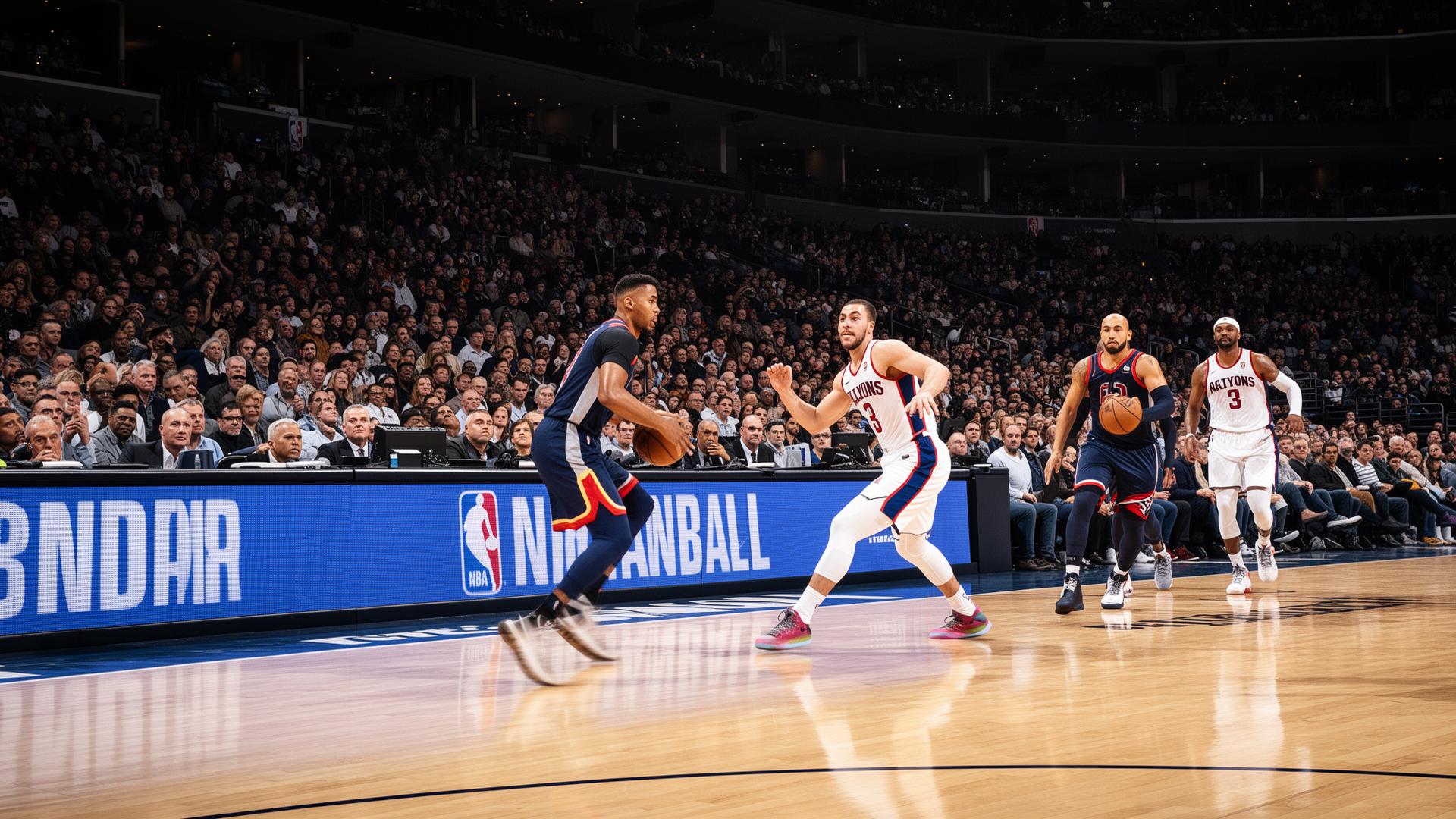
For most of the last decade, virtual sponsorship in US major-league sport was a slide in a sponsorship deck rather than a live revenue line. That changed in 2025. The NFL rolled out virtual end-zone branding across selected national windows. The NBA expanded courtside virtual perimeters into international feeds. MLB deployed virtual behind-home-plate signage to monetize the most-viewed angle in baseball broadcast — a surface that for fifty years carried a single sponsor for an entire half-inning.
What Changed: Three Forces in Alignment
- Sportsbook demand exploded. Legal sports betting now operates in 38+ US states, and operators need state-specific creative. Virtual is the only way to deliver it on a national broadcast.
- Cord-cutting accelerated international feeds. US leagues now derive growing revenue from international rights deals — and those buyers want their own sponsor mix, not the US national feed's.
- Rendering quality crossed the perceptual threshold. By 2024, output quality from leading providers was indistinguishable from physical signage on broadcast. The "will it look fake?" objection that killed earlier pilots disappeared.
League-by-League: What's Actually Live
NFL
Selected national games carry virtual end-zone and field-goal-post branding rotated per regional feed and per broadcast partner. Sportsbook brands are placed only in states with legal wagering.
NBA
Courtside LED virtual replacements are now standard on international feeds, allowing the league to sell the same court surface separately in 200+ territories. The 2025–26 season expanded this to selected national windows.
MLB
Behind-home-plate signage — the surface every center-field camera holds for the entire game — was added to virtual inventory in 2025 and is now sold per regional feed and per inning. Multiple sponsors share the same camera angle within a single broadcast.
The Revenue Picture
The leagues are not breaking out virtual revenue as a separate line, but the directional signal is unambiguous. UFC publicly grew sponsorship revenue to $314M (+25% YoY) on the back of virtual inventory. The NBA's international media revenue grew at double-digit rates against a flat domestic backdrop. Sportsbook category spend on US sports broadcasts crossed $1.6B in 2025, and virtual is the delivery mechanism for an increasing share of it.
Once a single major US league monetizes virtual at scale, the rest follow within 18 months. The competitive disadvantage of leaving that revenue on the table becomes too obvious to ignore.
What's Next
Expect three things in 2026–27:
- NCAA conferences following the pros into virtual perimeter inventory for football and basketball
- WNBA and women's soccer using virtual to leapfrog into international sponsorship monetization
- Replay and highlight rights being repriced upward because virtual sponsor placement now persists into the clip
For rights-holders not yet moving on this, the cost of waiting another season is now larger than the cost of integration. Talk to us about a 2026 pilot.