
The Quiet Boom: Why Women's and College Sports Are the Highest-ROI Virtual Inventory of 2026
The Audience Story Nobody Priced In
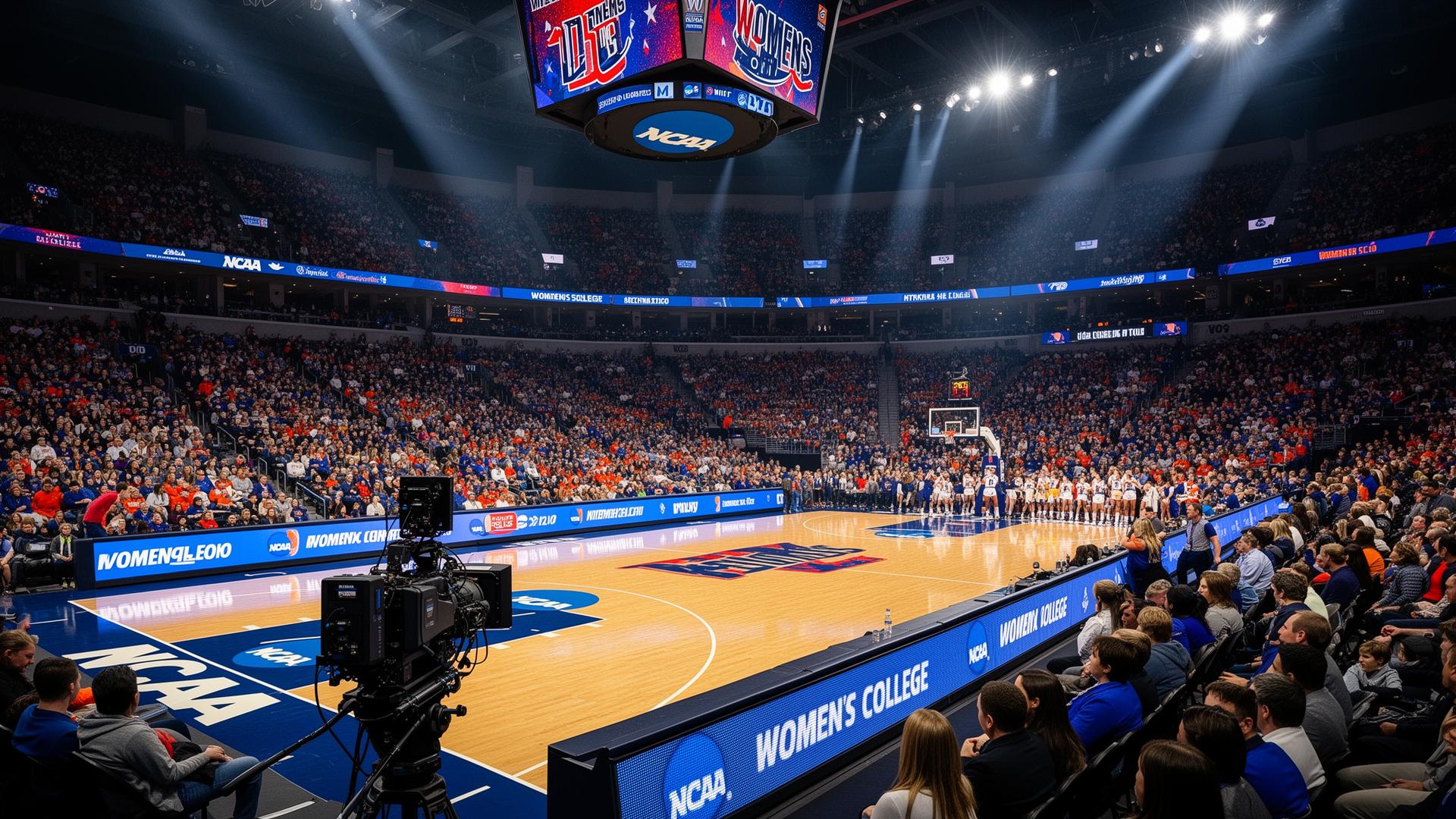
The 2024 NCAA women's basketball championship out-drew the men's final. The 2025 season followed it with the highest regular-season ratings in the sport's history. College football in the new twelve-team playoff era is delivering Saturday primetime windows that rival NFL Sunday on a per-game basis. None of this was priced into sponsorship rate cards two years ago, and most of it still isn't.
That mispricing is the opportunity.
Why Virtual Signage Fits These Properties Better
Physical perimeter inventory in college and women's pro sports is constrained in ways the major men's leagues are not. Conference rules cap on-court branding. Title IX considerations shape how arena real estate is sold. Many venues are multi-use buildings where the next event's sponsor sets are loaded in twelve hours after the game ends. Virtual signage sidesteps every one of these constraints — the inventory is rendered into the broadcast, not bolted to the floor, so there is no physical conflict with the next tenant and no compliance debate about a sticker on a hardwood.
The ROI Math
On a cost-per-thousand basis, virtual inventory in NCAA women's basketball and Power Four college football is currently clearing at a fraction of comparable NFL or NBA placements while delivering audiences that skew younger, more digitally engaged, and dramatically harder to reach via linear advertising. A brand spending the same dollar reaches more of the right people, in a more brand-safe environment, with less category clutter. The brands that figured this out in 2024 are already locked into multi-year deals at 2024 rates — and the rights-holders who signed them are not in a hurry to discount the second wave.
What Rights-Holders Should Do Now
Three moves separate the conferences and federations capturing this windfall from the ones watching it happen. First, instrument the broadcast — you cannot sell what you cannot measure, and the measurement stack from the major leagues drops in cleanly. Second, segment by market — a regional sponsor in Indiana does not need national delivery, and selling the same surface to a different sponsor in every state multiplies the rate card without adding inventory. Third, lock multi-year — the audience curve is going up and to the right, and the brands signing now know it.
The Window
This pricing gap will not last. By the end of 2026, rate cards for women's and college properties will reflect the audience reality, not the 2022 assumption. The rights-holders building virtual inventory pipelines this year are the ones who will be setting those new rates — not paying them.