
4D Sight
PerspectiveMay 17, 2026·By 4D Sight·4 min read

One Game, A Billion Different Worlds by Erhan Ciris
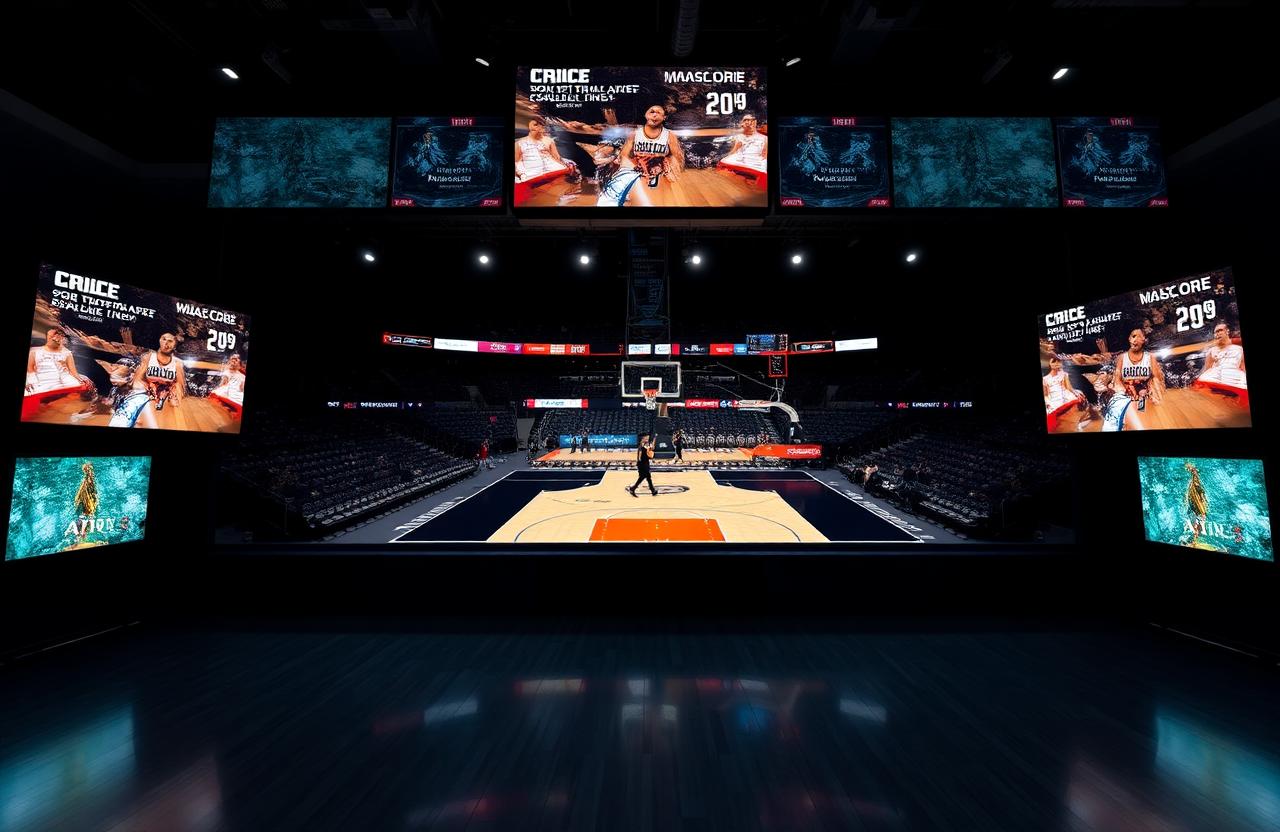
Multiple screens showing the same game with different ads

For most of television’s history, broadcast meant one thing: everyone sees the same thing.

Erhan Ciris explores why personal and native pairings are the right move for true immersion

The signal leaves a tower. It reaches every receiver in range. The image on every screen is identical. A hundred million people watch the same championship. They see the same commercial break. They receive the same message, from the same brands, in the same order, at the same moment.

This was not a creative choice. It was a constraint of the infrastructure. The physics of over-the-air broadcasting don’t allow for differentiation at the receiver level. What goes out is what arrives. The advertiser buys an audience in aggregate because there is no other way to buy it.

That constraint is gone. And almost no one has fully reckoned with what that means.

The Illusion of Mass

Mass advertising created a particular kind of cultural phenomenon — the shared commercial experience. The Super Bowl ad that everyone discusses at work the next morning. The jingle that an entire generation can recite forty years later. These were products of genuine simultaneity: the same message, reaching the same people, at the same time, in the same emotional context.

There is something real and valuable in that. Shared experience is the substrate of culture. The fact that millions of people laughed at the same thing on the same night, in their separate living rooms, is a form of collective participation that the internet has struggled to replicate.

But the mass model bought that shared experience at an enormous cost: the complete erasure of the individual. The person in São Paulo and the person in Seoul, watching the same match, are commercially identical in a broadcast world. They receive the same message regardless of whether it is relevant, resonant, or even comprehensible to them. The advertiser speaks to the crowd because the crowd is all it can see.

What Becomes Possible

Imagine those same two viewers — São Paulo and Seoul — watching the same fight, the same game, the same match. The image is identical. The commentary may differ. But the commercial layer, the brands that exist within the world of the broadcast, reflects something true about each of them.

Not their demographic. Not their age bracket or income quintile. Something closer to their actual context — the language they speak, the market they live in, the cultural references that land for them, the sponsors who have chosen to speak to them specifically rather than to everyone at once.

Get Erhan Ciris’s stories in your inbox

Join Medium for free to get updates from this writer.

Subscribe

Subscribe

Remember me for faster sign in

From a broadcast perspective, this is still one event. One camera feed. One moment of athletic achievement that belongs to the sport and to the audience. But the commercial experience of that moment is no longer monolithic. It is plural. It happens differently, for different people, simultaneously — without any of them being aware that it is happening differently for anyone else.

This is not a small shift. It is a fundamental reimagining of what a broadcast is.

The Creative Implications

Personalization in advertising is usually discussed in the language of targeting — reach the right person with the right message. This is correct but incomplete. It describes the commercial logic without addressing the creative one.

When the same surface — a mat, a board, a field — can carry a different message for every viewer who looks at it, the creative brief changes entirely. You are no longer designing for a crowd. You are designing for a context. And the context is not just demographic; it is emotional, cultural, linguistic, and situational all at once.

A brand that has learned to speak to a person — rather than to an aggregate — has to think differently about what it says. The shorthand that works in mass advertising (the universal image, the transcultural emotion, the message designed to offend no one and therefore move no one) becomes insufficient. You have the opportunity to be genuinely relevant. The question is whether you have something genuinely relevant to say.

The Paradox of Intimacy at Scale

There is a paradox at the heart of viewer-level personalization in live sports: it is intimate and massive at the same time.

The fan watching the fight in their living room is having, in some meaningful sense, a private experience — the commercial layer of the broadcast is speaking to them specifically, in a way it is not speaking to anyone else. But they are simultaneously part of an audience of millions, sharing a moment of genuine collective emotion with strangers across the world.

This is new. Nothing in the history of advertising has quite navigated this combination before. The intimacy of a one-to-one conversation happening inside the scale of a one-to-millions broadcast. The personal and the universal occupying the same frame.

The brands that figure out how to honor both — to be present at the level of the individual without losing the scale of the collective moment — will have found something that the history of advertising has been reaching toward without knowing how to get there.

One game. A billion different worlds. All of them real. All of them happening at once.

Erhan Ciris

Erhan Ciris on AI, spatial intelligence, and the future of live sports media

Erhan Ciris, Founder & CEO of 4D Sight